Currently Empty: $0.00

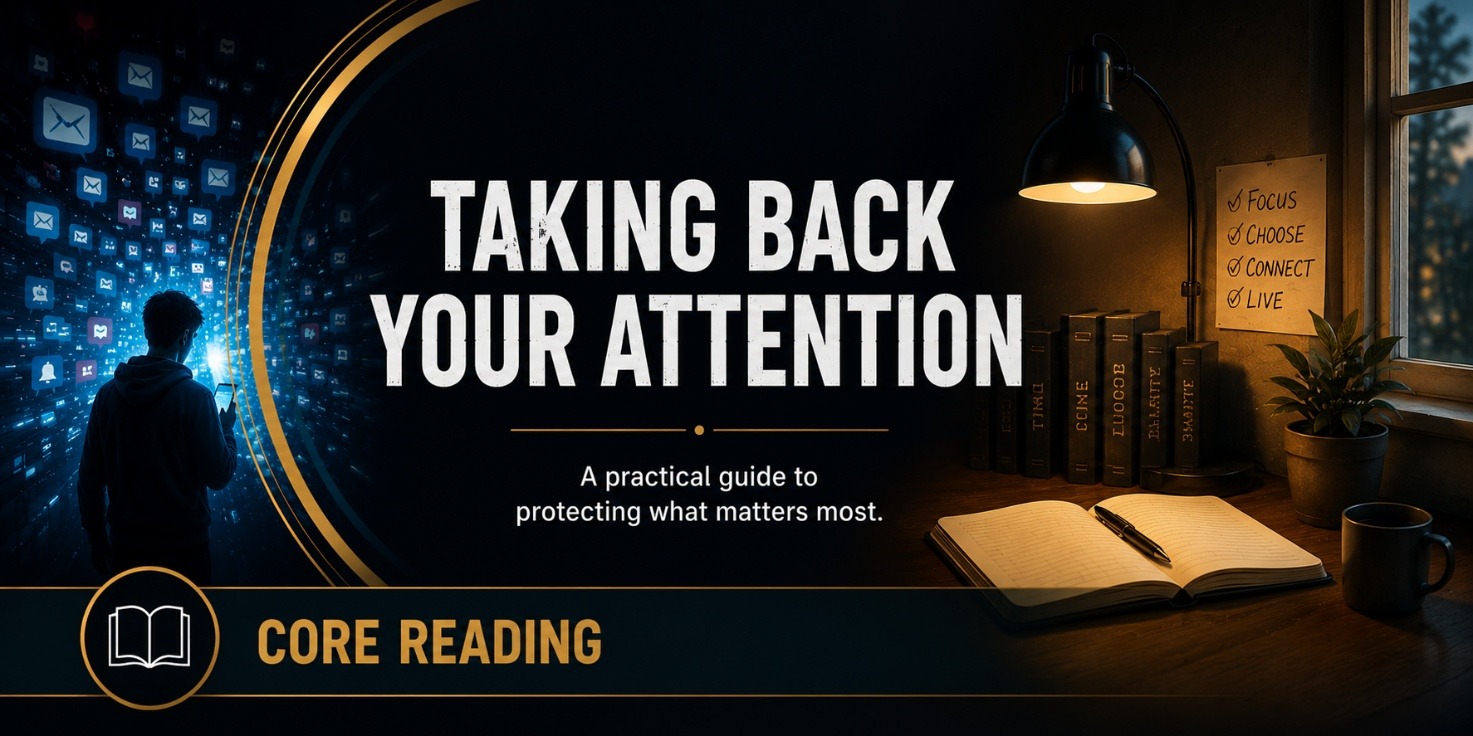
How can we stay connected without losing control of our time and attention?
Genre: Informational Article
Text Structure: Problem–Solution
Main Reading Skill: Analyze Problems and Solutions
A message appears while you are studying. You check it quickly, intending to return to your work. A few minutes later, you are watching a video, reading comments, or replying to another message. When you finally look up, far more time has passed than you expected. Experiences like this have become a familiar part of modern life.
Digital technology has made communication faster and information easier to access. However, it has also created a new challenge: protecting our attention. Phones, social media, streaming services, and other platforms offer a constant flow of information. Much of this content is designed to be compelling enough to keep people watching, reading, or scrolling.
This challenge is not simply a matter of poor self-control. Notifications invite users to return, while endless feeds provide new content with little effort. Even when no notification appears, people may feel an impulse to check their phones. Each interruption can disrupt concentration, especially when people repeatedly switch between a task and a device.
Over time, these interruptions can fragment attention. A student who checks messages several times while reading may understand individual sentences but struggle to connect the main ideas. It can also become harder to sustain attention during activities that require time and patience. The same problem can affect conversations. When someone repeatedly looks at a phone, the other person may feel that the conversation is less important.
Fortunately, people can take practical steps to regain control of their attention.
One solution is to reduce unnecessary interruptions. Users can turn off alerts that do not require an immediate response and choose specific times to check messages. Placing a phone out of reach while studying or working can also make it easier to concentrate. These small changes reduce the number of times people are invited to stop what they are doing.
Another approach is to create clear boundaries between connected and disconnected time. For example, a person might avoid using a phone during meals, important conversations, or the first thirty minutes after waking. Such limits help people prioritize the activities and relationships that deserve their full attention.
Technology itself can also support healthier habits. Screen-time reports can show people how much time they spend on particular apps. Focus settings can temporarily block interruptions, while reminders can encourage users to stop after a chosen period. People can then allocate specific periods of the day to online activities instead of checking their devices continuously.
The goal, however, is not to detach completely from the digital world. Online communication can strengthen relationships, provide access to knowledge, and create valuable opportunities. The challenge is to enjoy these benefits without allowing constant connection to control how we spend our time.
This requires a more intentional approach to technology. Before reaching for a device, people can ask themselves a simple question: Is this what I want to give my attention to right now? That brief moment of choice can help turn an automatic habit into a conscious decision.
In an age of constant connection, attention is valuable. Protecting it does not mean rejecting technology. It means deciding when technology deserves our attention—and when something else deserves it more.